The pet food industry has experienced significant shifts recently, marked by product recalls, market expansions, and evolving consumer behaviors. These changes reflect the sector's dynamic nature and its responsiveness to both consumer demands and global challenges.
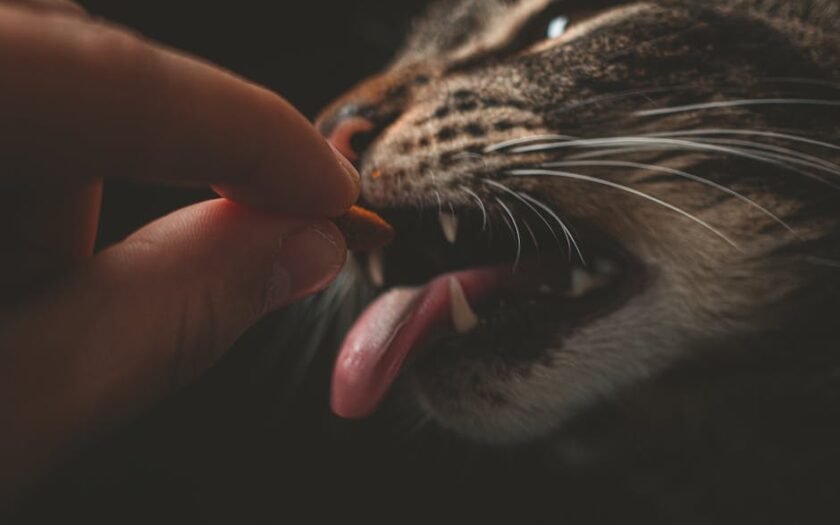
In December 2024, Northwest Naturals, an Oregon-based pet food company, voluntarily recalled its 2-pound Feline Turkey Recipe raw and frozen products due to concerns over bird flu. Testing confirmed the presence of H5N1 in a cat from Washington County, Oregon, that had consumed the food. The recall prompted officials, including those from Los Angeles County, to warn pet owners against feeding their animals raw food. The specific recalled products are in 2-pound plastic bags with "Best if used by" dates of May 21, 2026, and June 23, 2026. The Los Angeles County Department of Public Health is also investigating cases of H5 bird flu in four cats that died after consuming recalled raw milk.
In response to the growing demand for fresh pet food, General Mills introduced a fresh version of its Blue Buffalo dog food brand in June 2025. This move aims to compete with established fresh pet food brands like Freshpet and The Farmer’s Dog. The fresh pet food market in the U.S. is projected to grow from approximately $3 billion to $10 billion in retail sales over the next decade. Fresh pet food is characterized by minimal processing and lack of preservatives, often suitable for human consumption. Liz Mascolo, President of General Mills' North America pet division, attributes the category's growth to the increasing humanization of pets, with owners seeking high-quality, human-like food options for their animals.
Despite these innovations, the pet economy faces challenges. After the surge in pet adoptions and spending during the pandemic, major pet retailers like Chewy and Petco have suffered significant stock declines, with Chewy down over 70% and Petco over 90% from their 2021 peaks. Although U.S. pet spending continues to grow—reaching $151.9 billion in 2024 and expected to hit $157 billion in 2025—consumer preferences are shifting towards more economical options. This includes buying less premium pet food, with companies like General Mills, JM Smucker, and Nestlé reporting flat or declining pet food sales. Competition from large retailers such as Walmart and Tractor Supply is intensifying, further impacting specialty retailers.
In response to these market dynamics, the Pet Food Processing Exchange, an annual educational and networking event, is set to return for its second year in October 2025. The event aims to unite industry influencers, thought leaders, and decision-makers to share strategies and best practices to drive the pet food and treat industry forward. The inaugural event exceeded expectations, and the upcoming exchange will be held at a larger venue—the Kansas City Marriott Downtown—to accommodate anticipated growth.
These developments underscore the pet food industry's adaptability and its ongoing efforts to meet consumer needs while navigating challenges such as health concerns and market competition.